

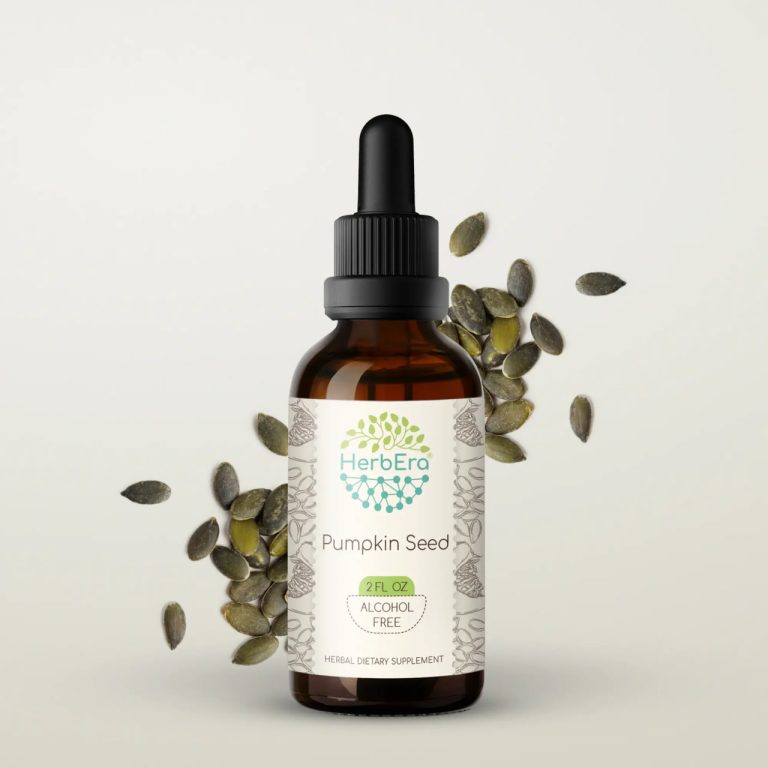
Alcohol-Free Pumpkin Seed Tincture can sound confusing because the word tincture often makes people think of alcohol. In online supplement listings, however, “alcohol-free tincture” is often used for a liquid extract made without alcohol, commonly with vegetable glycerin and water. That means the product may be closer to a glycerite than a traditional alcohol-based tincture.
Pumpkin seed products can appear as oil drops, softgels, capsules, seed powder, alcohol-based tinctures, alcohol-free liquid extracts, and glycerites. HerbEra’s alcohol-free pumpkin seed extract context shows why this label question matters: the same pumpkin seed source can lead to very different supplement formats depending on the base, extraction method, and serving directions.
This guide explains what alcohol-free pumpkin seed tincture means, how it differs from regular tincture and pumpkin seed oil, why it may taste sweet or mild, and what to check before buying or using it.
Does Alcohol-Free Pumpkin Seed Tincture Mean It Is a Glycerite?
Alcohol-free pumpkin seed tincture may be a glycerite, but you should confirm the ingredients. If the liquid base includes vegetable glycerin and water, the product is often best understood as a glycerite or alcohol-free liquid extract rather than a traditional alcohol tincture.
A regular tincture is usually made with alcohol as a solvent or carrier. A glycerite uses glycerin as a main carrier. An alcohol-free pumpkin seed liquid extract may use glycerin, water, or another non-alcohol base.
The practical answer
If the label says alcohol-free and lists vegetable glycerin or glycerin, it is likely a glycerite-style extract. If the label says alcohol-free but does not list the carrier, ask the seller before buying.
Do not rely only on the word tincture. Read the base ingredients and suggested use.
What Is a Traditional Pumpkin Seed Tincture?
A traditional tincture is a liquid extract made with alcohol as the main solvent. For pumpkin seed, the label may list Cucurbita pepo seed, dried seed, alcohol, water, extract ratio, drops, droppers, or milliliters.
Alcohol helps extract and preserve many herbal preparations, but not every shopper wants alcohol in a supplement. That is why alcohol-free liquid extracts exist.
Common traditional tincture wording
Look for alcohol, ethanol, cane alcohol, grain alcohol, organic alcohol, alcohol extract, or alcohol-based tincture. These terms suggest a traditional alcohol-based liquid format.
If you avoid alcohol for personal, religious, medical, recovery, taste, or household reasons, do not assume a dropper bottle is alcohol-free.
What Is a Pumpkin Seed Glycerite?
A pumpkin seed glycerite is an alcohol-free liquid extract that uses glycerin as a major carrier. The formula may also include purified water. Glycerin gives the liquid a thicker mouthfeel and a naturally sweet taste.
Glycerite is a technical format term. Some brands use it clearly. Others use broader wording such as alcohol-free tincture, alcohol-free drops, liquid extract, or glycerin extract.
Why the word matters
Glycerite tells you the product is not a regular alcohol tincture. It also explains why the liquid may taste smoother, sweeter, or less sharp than alcohol-based drops.
If the label says “alcohol-free tincture” but lists glycerin, the product may be functioning as a glycerite even if the front label does not use that word.
Alcohol-Free Pumpkin Seed Tincture vs Regular Tincture
The main difference is the liquid base. An alcohol-free pumpkin seed tincture uses a non-alcohol carrier, often glycerin and water. A regular tincture usually uses alcohol as the extraction or carrier base.
| Feature | Alcohol-free pumpkin seed tincture | Regular pumpkin seed tincture |
|---|---|---|
| Likely base | Glycerin, water, or another alcohol-free carrier | Alcohol and water |
| Technical format | Often glycerite or alcohol-free liquid extract | Traditional tincture |
| Taste | Milder, thicker, sometimes sweet | Sharper, warmer, more alcohol-forward |
| Texture | May feel syrupy or smooth | Usually thinner and sharper |
| Best for | People avoiding alcohol or sharp tincture taste | People comfortable with alcohol-based extracts |
| Key label check | Glycerin, water, alcohol-free wording | Alcohol, ethanol, extract ratio |
Both formats can be liquid pumpkin seed extracts, but they are not the same product experience.
Why Does Alcohol-Free Pumpkin Seed Tincture Taste Sweet?
Alcohol-free pumpkin seed tincture may taste sweet because glycerin has a naturally sweet flavor. This does not automatically mean the product contains added sugar. The ingredient list should clarify the source of sweetness.
A glycerin-based liquid extract often tastes smoother than an alcohol tincture. It may feel thicker on the tongue and may reduce the sharp alcohol burn that people expect from traditional tinctures.
Added sugar vs glycerin taste
If the label lists glycerin or vegetable glycerin but does not list sugar, cane sugar, syrup, honey, or sweetener, the sweet taste may come from the glycerin base.
If sugar avoidance matters to you, check the Supplement Facts, other ingredients, and any sugar-free claims. Ask the seller if the label is unclear.
Is Alcohol-Free Pumpkin Seed Tincture the Same as Pumpkin Seed Oil?
No. Alcohol-free pumpkin seed tincture is not the same as pumpkin seed oil. A tincture, glycerite, or liquid extract uses a solvent or carrier such as glycerin and water. Pumpkin seed oil is a fatty oil pressed from pumpkin seeds.
The two products may come from pumpkin seed, but they have different bases, textures, serving directions, and label language.
Simple difference
Alcohol-free pumpkin seed tincture is an extract format. Pumpkin seed oil is an oil format.
If you want fatty-acid-focused oil, look for pumpkin seed oil. If you want alcohol-free liquid drops that are not oily, look for glycerite or alcohol-free liquid extract wording.
How to Tell If You Are Buying Extract, Glycerite, Oil, or Capsules
Product titles can blur format differences. A dropper bottle can hold oil, tincture, glycerite, or another liquid extract. The label tells you what is inside.
| Product wording | Likely format | What to verify |
|---|---|---|
| Alcohol-free tincture | Alcohol-free liquid extract | Glycerin, water, carrier ingredients |
| Glycerite | Glycerin-based extract | Vegetable glycerin and plant material |
| Liquid extract | Broad liquid format | Alcohol-free or alcohol-based base |
| Pumpkin seed oil | Pressed oil | Oil type, softgel or bottle format |
| Oil drops | Oil in dropper format | Whether the liquid is actually oil |
| Capsules | Powder, extract powder, oil softgel, or blend | Capsule type and ingredient form |
The word “drops” is not enough. Drops can be oil drops or extract drops.
What Should the Ingredient List Say?
A clear alcohol-free pumpkin seed tincture label should show the pumpkin seed ingredient and the liquid base. Look for Cucurbita pepo seed, dried seed, pumpkin seed, vegetable glycerin, glycerin, purified water, alcohol-free, liquid extract, serving size, suggested use, lot number, and expiration date.
The label should also make it clear whether the product is single-ingredient or part of a blend.
Good label clarity
A clear label might say pumpkin seed dried seed extract with vegetable glycerin and purified water. Another clear label might say Cucurbita pepo seed alcohol-free glycerite.
A vague label might say only “pumpkin seed drops” without showing whether the base is oil, alcohol, glycerin, or water.
Why “Alcohol-Free” Does Not Tell the Whole Story
Alcohol-free tells you what is not used as the main base. It does not automatically tell you what is used instead. The replacement base matters for taste, texture, serving, and user preference.
An alcohol-free liquid extract could use glycerin and water. It could also use another non-alcohol carrier. Without the ingredient list, the phrase is incomplete.
Ask the next question
After you see alcohol-free, ask: “What is the solvent or carrier?” The answer should appear in the ingredients.
HerbEra’s alcohol-free liquid extract positioning makes this distinction important for shoppers who want to avoid alcohol but still need to know whether the product is glycerin-based, water-based, oil-based, or another format.
What Is a Solvent in a Liquid Extract?
A solvent is the liquid used to extract and carry plant material. In supplement labels, the solvent or carrier may be alcohol, water, glycerin, or a blend.
The solvent affects the product’s taste, mouthfeel, extraction style, and storage expectations. It also affects whether the product fits people avoiding alcohol.
Common solvent terms
Alcohol and ethanol point to traditional tinctures. Glycerin and vegetable glycerin point to glycerite-style extracts. Purified water may appear with either alcohol or glycerin in the base.
Oil is not the same type of solvent in this context. Pumpkin seed oil is a pressed oil product, not a glycerite.
Is Sweet Taste a Red Flag?
Sweet taste is not automatically a red flag in alcohol-free pumpkin seed tincture. Glycerin can make a product taste sweet without added sugar. Still, the label should explain the sweetness.
Sweetness becomes a concern if the ingredient list is unclear, if sugar-free wording conflicts with listed sweeteners, or if the product smells fermented, sour, moldy, or off.
What is normal and what is not
Normal may include mild sweetness, smooth texture, light seed-like taste, or a thicker glycerin mouthfeel. Not normal may include moldy smell, sour odor, gas pressure, damaged seal, leaking bottle, strange cloudiness, or expired date.
If something looks or smells wrong, do not use the product to test it.
What Label Red Flags Should You Avoid?
Avoid buying or using a product if the label makes the format unclear. Red flags include no carrier ingredients, no Supplement Facts image, no alcohol status despite alcohol-free claims, no botanical name, no plant part, no serving size, missing warnings, broad medical claims, unreadable expiration date, or damaged packaging.
For liquid products, also check the safety seal, cap, dropper, liquid appearance, and storage instructions.
Be careful with medical claims
Pumpkin seed tincture, glycerite, oil, or capsules should not be used to treat, cure, prevent, diagnose, reverse, detox, cleanse, flush, or manage any health condition.
If you are pregnant, nursing, taking medication, managing a medical condition, preparing for surgery, buying for a child, or using multiple supplements, ask a qualified healthcare professional before use.
When Should You Choose Alcohol-Free Pumpkin Seed Tincture?
Choose alcohol-free pumpkin seed tincture if you want liquid drops without an alcohol base and you are comfortable with a glycerin-style mouthfeel. It may fit people who dislike capsules, avoid alcohol, or prefer measured drops.
Do not choose it if you actually want pumpkin seed oil, oil softgels, or a fatty oil format. Those are different products.
Best fit
This format is best for shoppers who want an alcohol-free liquid extract and understand that it may taste mildly sweet due to glycerin.
It is not the same as oil, powder, or softgels.
Questions to Ask Before Buying
If the product page is unclear, ask direct questions before buying. This is faster than guessing from a dropper bottle image.
Ask whether the product is a glycerite, whether it contains alcohol, what carrier is used, whether it contains added sugar, whether the seed is Cucurbita pepo, whether the seed is dried, and how the serving is measured.
Useful buyer questions
Ask: “Is this alcohol-free pumpkin seed tincture made with vegetable glycerin?” Ask: “Does it contain added sugar or is the sweet taste from glycerin?” Ask: “Is this product pumpkin seed oil or a liquid extract?”
A helpful answer should identify the base, plant source, format, and serving directions.
Checklist: How to Read an Alcohol-Free Pumpkin Seed Tincture Label
Use this checklist before buying alcohol-free pumpkin seed tincture. It helps you separate glycerite-style extract from regular tincture, pumpkin seed oil, and vague dropper-bottle products.
Find the alcohol-free claim
Look for alcohol-free wording on the label or product page. Then confirm what carrier replaces alcohol.
Check the carrier ingredients
Look for vegetable glycerin, glycerin, purified water, or another listed base. Do not buy if the liquid base is unclear.
Identify the pumpkin seed source
Look for pumpkin seed, Cucurbita pepo seed, dried seed, or seed extract. Make sure the plant part matches what you want.
Separate extract from oil
Check whether the product says liquid extract, glycerite, tincture, oil, seed oil, softgel, or oil drops. These are different formats.
Check for added sugar
Sweetness may come from glycerin, but check for sugar, syrup, honey, flavoring, or sweeteners if that matters to you.
Review serving directions
Look for drops, droppers, or milliliters. Do not convert it to oil, capsules, or teaspoons unless the label provides instructions.
Inspect product condition
Before use, check the safety seal, cap, dropper, liquid appearance, smell, expiration date, and lot number.
Ask when unclear
Contact the seller if the label does not clearly state the base, alcohol status, plant part, or product format.
FAQ
Is alcohol-free pumpkin seed tincture a glycerite?
It may be. If it uses vegetable glycerin and water as the base, it is likely a glycerite-style liquid extract.
What does alcohol-free tincture mean?
It means the liquid extract is made without alcohol as the main carrier. Check the ingredients to see what replaces alcohol.
Why does alcohol-free pumpkin seed tincture taste sweet?
It may taste sweet because glycerin has a naturally sweet flavor. That does not automatically mean added sugar.
Is pumpkin seed tincture the same as pumpkin seed oil?
No. Pumpkin seed tincture is a liquid extract. Pumpkin seed oil is pressed oil from pumpkin seeds.
How do I know if it contains added sugar?
Check the ingredient list and Supplement Facts for sugar, syrup, sweeteners, or flavoring. Ask the seller if unclear.
Can alcohol-free tincture still be called a tincture?
Some sellers use tincture broadly for liquid extracts, even when alcohol-free. The ingredient list gives the clearer answer.
What should I look for on the label?
Look for pumpkin seed, Cucurbita pepo, dried seed, liquid extract, alcohol-free, glycerin, water, serving size, and warnings.
Does alcohol-free mean oil-free?
No. Alcohol-free only means alcohol is not the main carrier. Check whether the product is oil, glycerite, or another extract.
Who should ask before using pumpkin seed tincture?
Ask a qualified healthcare professional if you are pregnant, nursing, taking medication, managing a medical condition, or buying for a child.
Glossary
Alcohol-free pumpkin seed tincture
A liquid pumpkin seed extract made without alcohol as the main carrier.
Glycerite
An alcohol-free liquid extract that uses glycerin as a major carrier.
Tincture
A liquid extract traditionally made with alcohol, though some sellers use the term more broadly.
Liquid extract
A liquid preparation made by extracting plant material into a carrier such as alcohol, glycerin, or water.
Solvent
The liquid used to extract and carry plant material in a liquid extract.
Vegetable glycerin
A sweet-tasting, alcohol-free liquid carrier often used in glycerites.
Cucurbita pepo
A botanical name commonly associated with pumpkin and pumpkin seed ingredients.
Dried seed
Pumpkin seed material that has been dried before use in an extract, powder, or capsule.
Pumpkin seed oil
A pressed oil made from pumpkin seeds, different from a glycerin-based liquid extract.
Supplement Facts
The label panel that lists serving size, dietary ingredients, and amounts per serving for a supplement.
Conclusion
Alcohol-Free Pumpkin Seed Tincture often means a glycerite-style liquid extract, but the label must confirm the base. Check for glycerin, water, Cucurbita pepo seed, added sugar language, serving directions, and whether the product is extract or oil before buying.
Sources Used
Example marketplace context for alcohol-free pumpkin seed liquid extract wording, Pumpkin Seed Alcohol-Free Liquid Extract Listing – Walmart
Example product terminology using pumpkin seed glycerite and vegetable glycerin solvent, Pumpkin Seed Glycerite Product Page – Hawaii Pharm
Botanical identity and plant reference for pumpkin, Cucurbita pepo plant profile – Plants of the World Online
General dietary supplement labeling guidance, Dietary Supplement Labeling Guide – FDA
Consumer guidance on supplement use and label reading, Dietary Supplements: What You Need to Know – NIH Office of Dietary Supplements
General supplement label nutrition rule context, Nutrition Labeling of Dietary Supplements – Electronic Code of Federal Regulations
